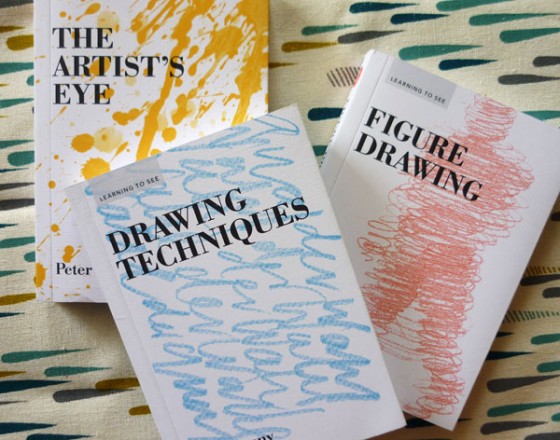
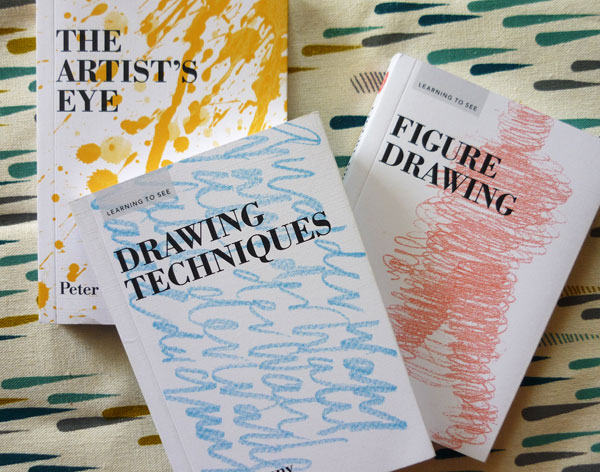
Everyone knows that practice makes perfect. If you’re ever concerned about drawing better, or seeing things better — help is at hand. Three new books from Princeton Architectural Press aims to do just that. The new series, aptly titled “Learning to See”, has three books — The Artist’s Eye, Drawing Techniques, and Figure Drawing.
Learning to See series
1. The Artist’s Eye
2. Drawing Techniques
3. Figure Drawing
Each book in the series is written by Peter Jenny, professor emeritus and chair of visual design at the ETH Zurich, Switzerland who has published numerous books on design and visual thinking. The Artist’s Eye, the first of the series shows you how to see and discover the world with fresh eyes; offering helpful suggestions, tips and hints. Through exercises that run from doodling to rubbing, from making cutouts to making sense and patterns in chaos — all the exercises serve to help you identify patterns from your surroundings. Learning to see in a myriad of ways is a great first step in helping you make sense of it all.
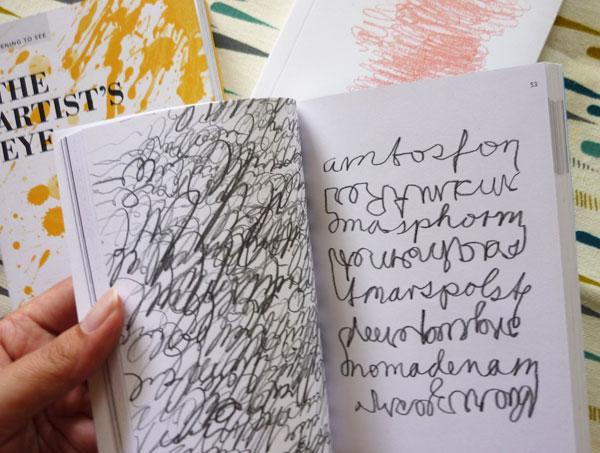
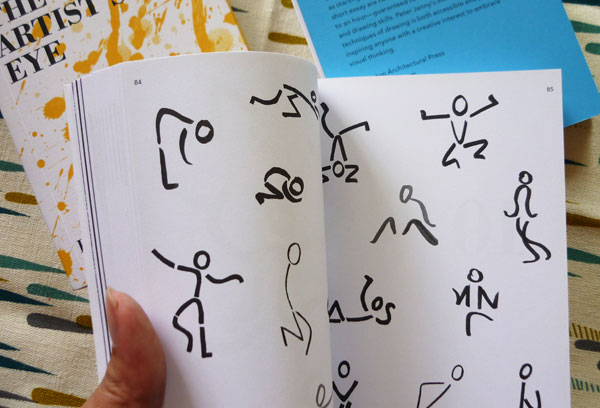
The second book in the series, Drawing Techniques encourages you to take what you’ve learnt in the first book and apply it to paper. Peter offers many helpful hints and suggestions that encourages the reader to look beyond merely replicating what you see. Instead, he showcases an arsenal of exercises that draws you in to deconstruct, listen and experiment using sensory elements to drive your mark-making process.
I was particularly taken in by the third book: Figure Drawing. With my hesitation of drawing human figures in totality, I’ve put some of the exercises to good use – scribbling and doodling my way into better understanding the human figure via abstractions, suggestions and metaphorical representations.

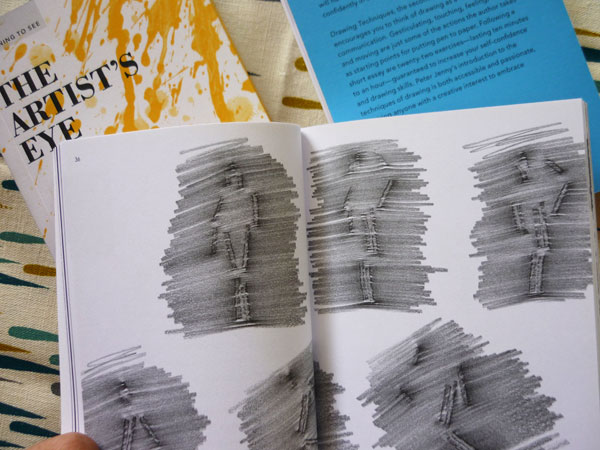
All three books have a few things in common: there’s a foreword by Peter in each of them, and each of the books have 22 chapters dedicated to the subject matter of each individual title. Most of the books are in black and white, with some color photos in between, and there’s lots of examples and images/photographs that serve to explain his points. At the end of each book (except for the first) there’s a handy list of notes for you to refer to, with goals and questions that inform the reason for each exercise.The books are all mini in size (about 4” x 6”) and can easily be slipped into your handbag or carried around to be read.

I loved each book — the bulk of each is packed with images that serve to inspire new ways of seeing, drawing and interpreting. I’m still a little undecided about the small format though, as I would have preferred having a bit more of the book to devour. But at its smaller size, I can see how it can be a lot more portable. What I really like about the series is that it opens up so many possibilities to everyone who is looking to learn new ways of seeing things. Just like learning about basic design principles, Learning to See may be the equivalent for artists who are looking to unlock their potential, and reminds even those who are professionals that there are many more ways to wield that brush or to interpret an image.
You can purchase the whole collection over at Amazon.
GIVEAWAY ALERT!
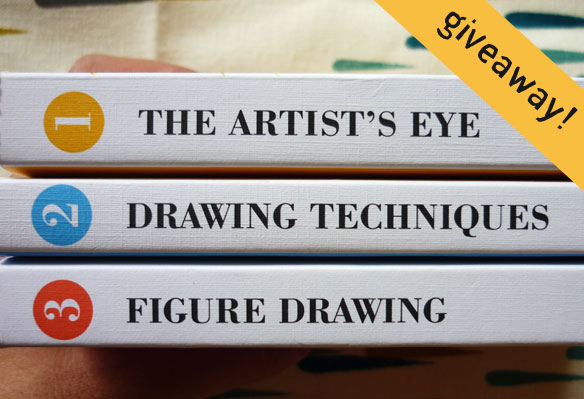
Princeton Architectural Press is one of our sponsors this month and they’re giving away ONE set of the Learning to See series to ONE lucky reader! You can enter by leaving a comment below anytime before 20th April 2012 and we’ll pick out a winner after!
UPDATE: The giveaway is international, and that means everyone from anywhere can have a go!
The giveaway has ended and the winner has been picked by random.org – congratulations Laura (comment #156)! 🙂 Thanks everyone for joining in!